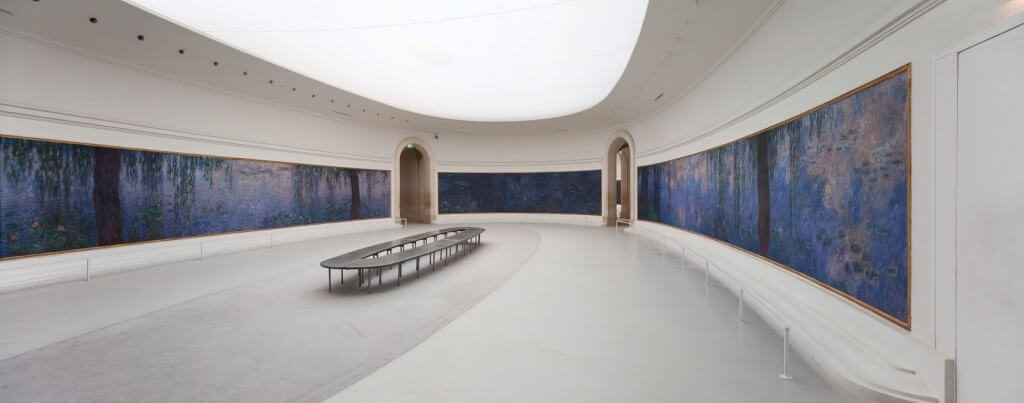
Reflecting on Monet’s Waterlilies paintings and his Garden. I use photoshop to explore and expand the warm and cold colours in the Waterlilies, his flowers, to give the image of water an intense look. Focusing on the water, my fascination is in water’s texture, light, colour. Water and nature and water features such as reefs, landscape, sea life, are poetic in suggestions and hints and metaphors of images within each other, patterns, shapes, colours, as a vast array of nuance and variance.

All woks are in process.
These landscapes of water and reflection have become an obsession.

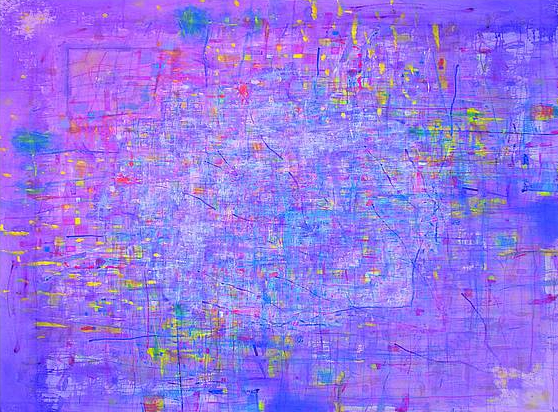
Impressionism Water Lilies # 1 , Acrylic, gouache, felt marker, ink, watercolour, pen, watercolour pencil on canvas, 96 in x 121 in, 2021 ( photographed + photoshop + reprinted giclee on paper, 30 in x 40 in, 60 in x 80 in, 120 in x 160 in, 2027 )
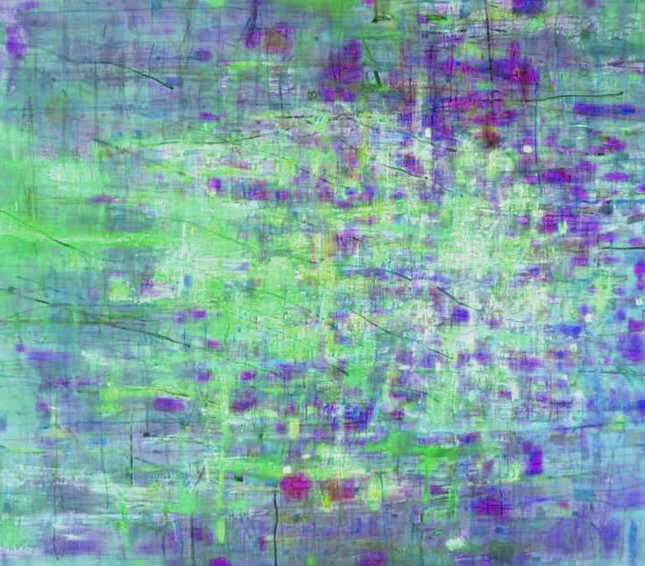
Impressionism Water Lilies # 2 , acrylic on canvas, 90 in x 120 in, 2021 ( photographed + photoshop + reprinted giclee on paper, 30 in x 40 in, 60 in x 80 in, 120 in x 160 in, 2027 )

Impressionism Water Lilies # 3 , acrylic on canvas, acrylic on canvas, 40 in x 40 in, 2021 ( photographed + photoshop + reprinted giclee on paper, 40 in x 40 in, 120 in x 120 in, 2027 )
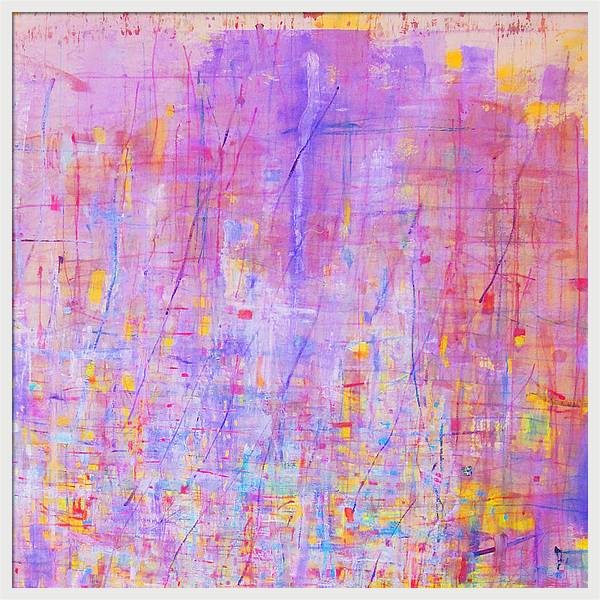
Impressionism Water Lilies # 4 , acrylic on canvas, acrylic on canvas, 40 in x 40 in, 2021 ( photographed + photoshop + reprinted giclee on paper, 40 in x 40 in, 120 in x 120 in, 2027 )
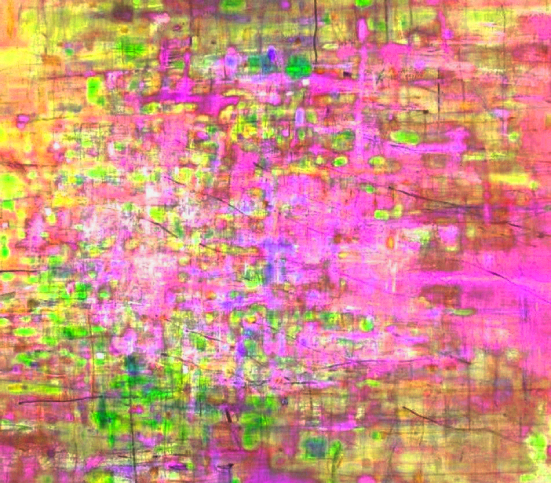
Impressionism Water Lilies # 5 , acrylic on canvas, 40 in x 40 in, 2021 ( photographed + photoshop + reprinted giclee on paper, 40 in x 40 in, 120 in x 120 in, 2027 )

Impressionism Water Lilies # 6 , acrylic on canvas, 90 in x 120 in, 2021 ( photographed + photoshop + reprinted giclee on paper, 30 in x 40 in, 2027 )

Impressionism Water Lilies # 7 , acrylic on canvas, 90 in x 120 in, 2021 ( photographed + photoshop + reprinted giclee on paper, 30 in x 40 in, 60 in x 80 in, 120 in x 160 in, 2027 )

Impressionism Water Lilies # 9 ,acrylic on canvas, 40 in x 40 in, 2021 ( photographed + photoshop + reprinted giclee on paper, 40 in x 40 in, 120 in x 120 in, 2027 )

Impressionism Water Lilies # 11 , acrylic on canvas, 90 in x 120 in, 2021 ( photographed + photoshop + reprinted giclee on paper, 30 in x 40 in, 2027 )
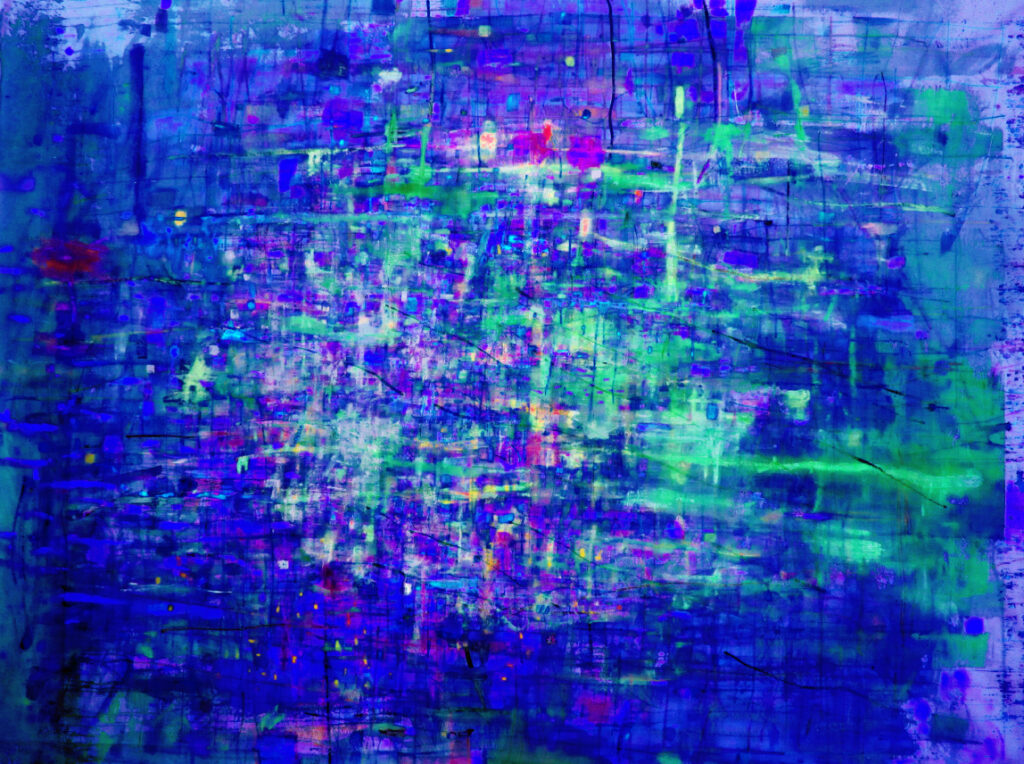
Impressionism Water Lilies # 12 , acrylic on canvas, 90 in x 120 in, 2021 ( photographed + photoshop + reprinted giclee on paper, 30 in x 40 in, 60 in x 80 in, 120 in x 160 in, 2027 ) Prints $800.00 CDN to $14,100.00 CDN
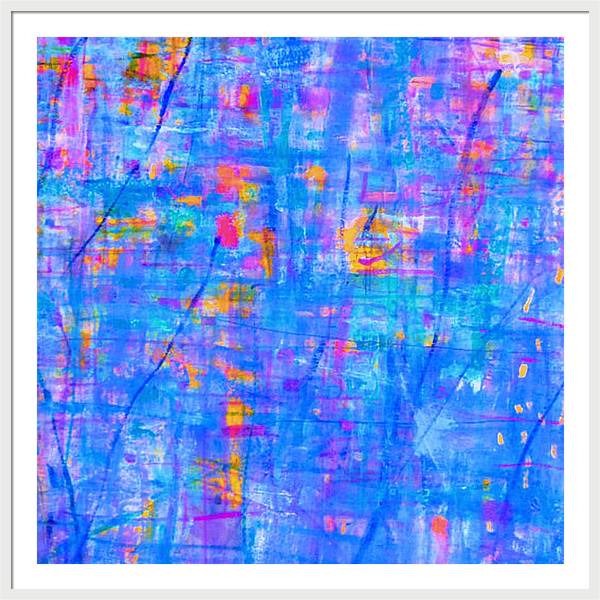
Impressionism Water Lilies # 13 , acrylic on canvas, 40 in x 40 in, 2021 ( photographed + photoshop + reprinted giclee on paper, 40 in x 40 in, 120 in x 120 in, 2027 )
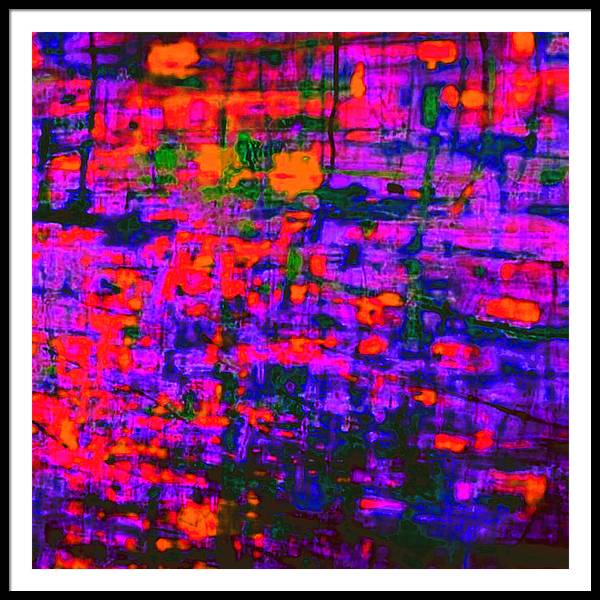
Impressionism Water Lilies # 14 , acrylic on canvas, 40 in x 40 in, 2021 ( photographed + photoshop + reprinted giclee on paper, 40 in x 40 in, 120 in x 120 in, 2027 )
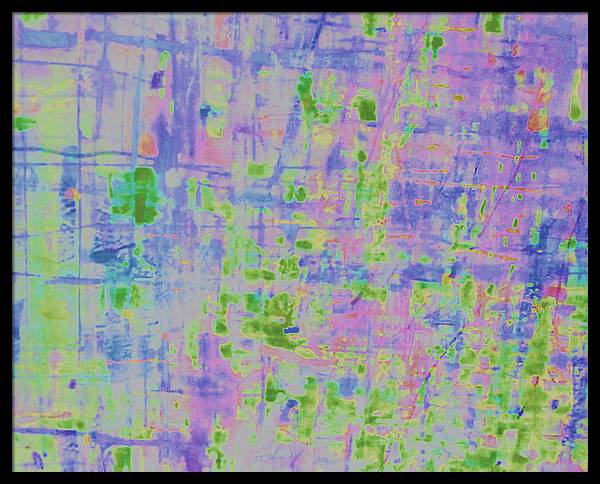
Impressionism Water Lilies # 15 , acrylic on canvas, 90 in x 120 in, 2021 ( photographed + photoshop + reprinted giclee on paper, 30 in x 40 in, 60 in x 80 in, 120 in x 160 in, 2027 )
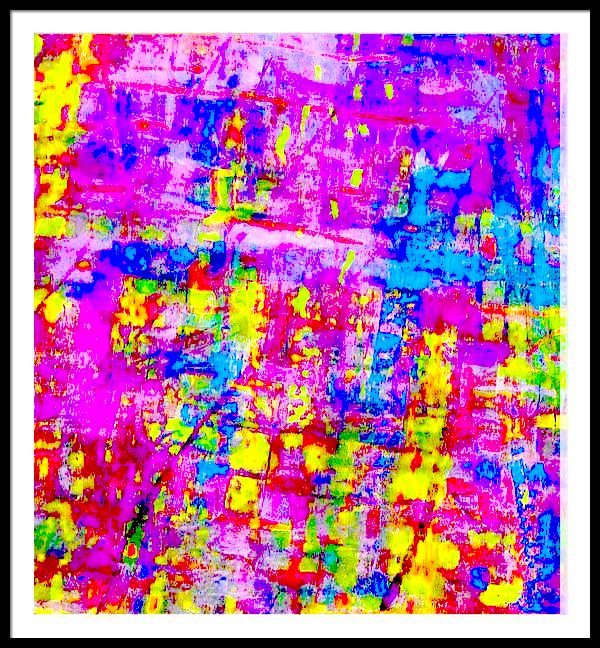
Impressionism Water Lilies # 16 , acrylic on canvas, 40 in x 40 in, 2021 ( photographed + photoshop + reprinted giclee on paper, 40 in x 40 in, 120 in x 120 in, 2027 )
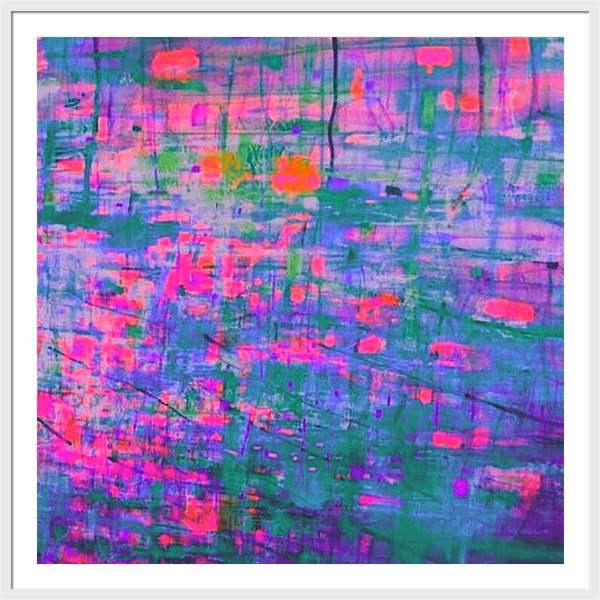
Impressionism Water Lilies # 17 , acrylic on canvas, 40 in x 40 in, 2021 ( photographed + photoshop + reprinted giclee on paper, 40 in x 40 in, 120 in x 120 in, 2027 )

Impressionism Water Lilies # 18 , acrylic on canvas, 40 in x 40 in, 2021 ( photographed + photoshop + reprinted giclee on paper, 40 in x 40 in, 120 in x 120 in, 2027 )
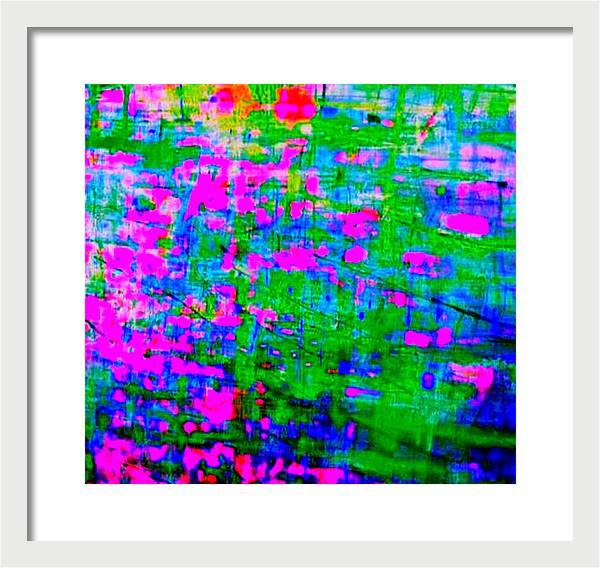
Impressionism Water Lilies # 19 , acrylic on canvas, 40 in x 40 in, 2021 ( photographed + photoshop + reprinted giclee on paper, 40 in x 40 in, 120 in x 120 in, 2027 )
,
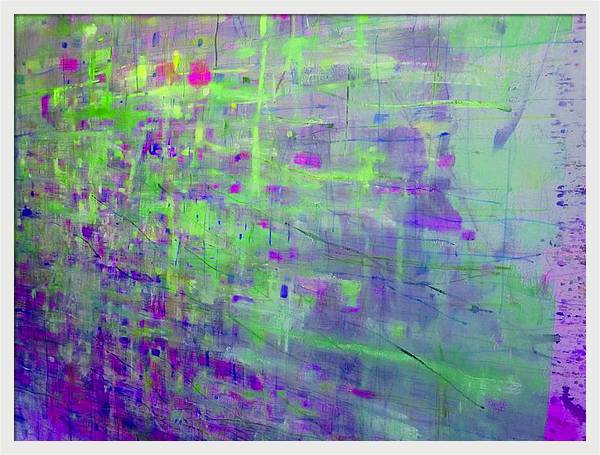
Impressionism Water Lilies # 20 , acrylic on canvas, 90 in x 120 in, 2021 ( photographed + photoshop + reprinted giclee on paper, 30 in x 40 in, 2027 )
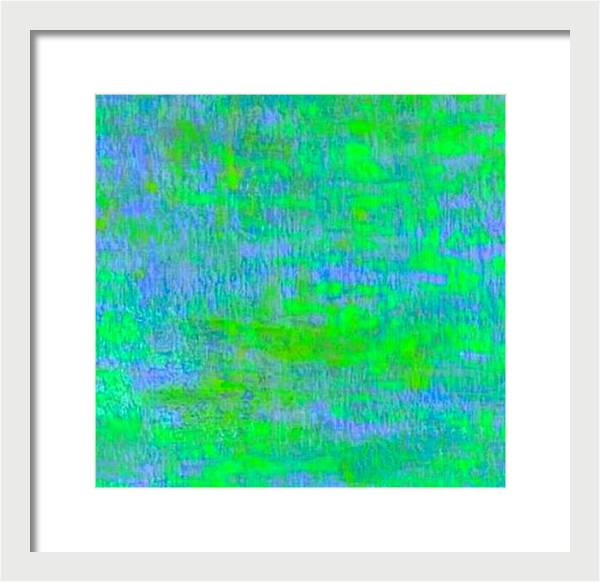
Impressionism Water Lilies # 21 , acrylic on canvas, 90 in x 120 in, 2021 ( photographed + photoshop + reprinted giclee on paper, 30 in x 40 in, 2027 )

Impressionism Water Lilies # 23 , acrylic on canvas, 90 in x 120 in, 2021 ( photographed + photoshop + reprinted giclee on paper, 30 in x 40 in, 60 in x 80 in, 120 in x 160 in, 2027 )

Impressionism Water Lilies # 24 , acrylic on canvas, 40 in x 40 in, 2021 ( photographed + photoshop + reprinted giclee on paper, 40 in x 40 in, 120 in x 120 in, 2027 )


Impressionism Water Lilies # 26 , acrylic on canvas, 40 in x 40 in, 2021 ( photographed + photoshop + reprinted giclee on paper, 40 in x 40 in, 120 in x 120 in, 2027 )

Impressionism Water Lilies # 27, acrylic on canvas, 40 in x 40 in, 2021 ( photographed + photoshop + reprinted giclee on paper, 40 in x 40 in, 120 in x 120 in, 2027 )
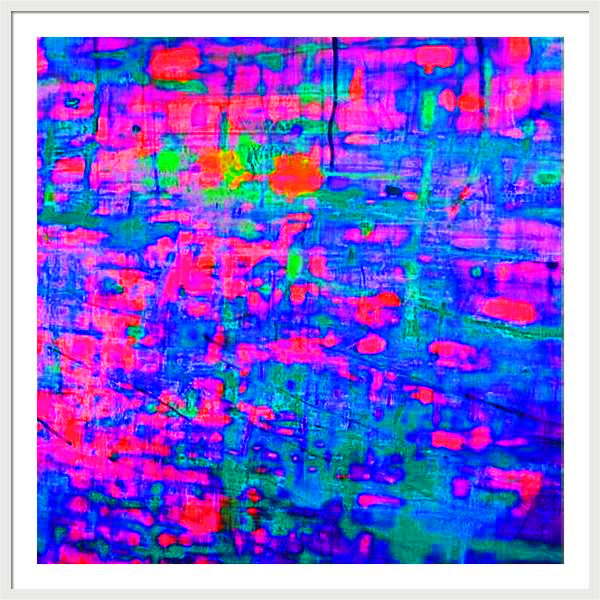
Impressionism Water Lilies # 28 , acrylic on canvas, 40 in x 40 in, 2021 ( photographed + photoshop + reprinted giclee on paper, 40 in x 40 in, 120 in x 120 in, 2027 )
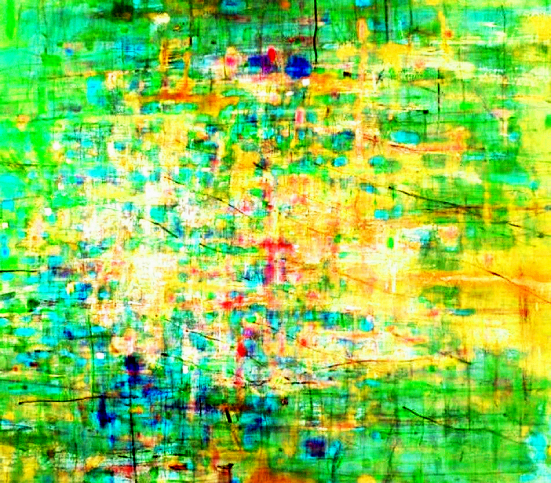
Impressionism Water Lilies # 29 , acrylic on canvas, 40 in x 40 in, 2021 ( photographed + photoshop + reprinted giclee on paper, 40 in x 40 in, 120 in x 120 in, 2027 )
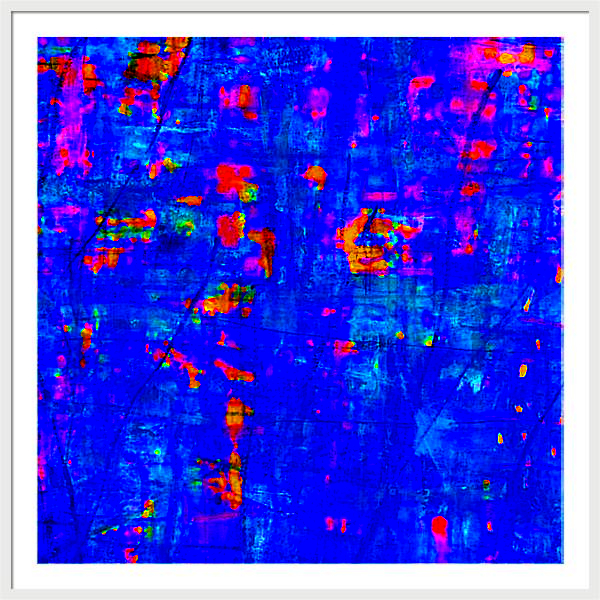
Impressionism Water Lilies # 30 , acrylic on canvas, 40 in x 40 in, 2021 ( photographed + photoshop + reprinted giclee on paper, 40 in x 40 in, 120 in x 120 in, 2027 )
- Home
- Collections
- The Water Lilies by Claude Monet
The Water Lilies by Claude Monet
Sections
History of the Water Lilies cycle
Texte
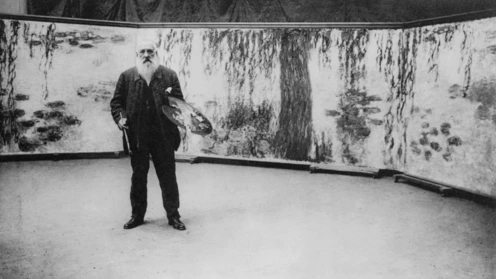
Offered to the French State by the painter Claude Monet on the day that followed the Armistice of November 11, 1918 as a symbol for peace, the Water Lilies are installed according to plan at the Orangerie Museum in 1927, a few months after his death. This unique set, a true « Sixtine Chapel of Impressionism » in the words of André Masson in 1952, testifies to Monet’s later work. It was designed as a real environment and crowns the Water Lilies cycle begun nearly thirty years before. The set is one of the largest monumental achievements of early twentieth-century painting.
Read more
© DR
Claude Monet, the impressionist of the landscape
Texte
Claude Monet was born in Paris and grew up in Normandy in the town of Le Havre. He was introduced to the representation of nature in painting through contact with the painter Eugène Boudin (1824-1898). He arrived in Paris in 1859 and entered the studio of Charles Gleyre (1806-1874), where he made the acquaintance of the painters Pierre-Auguste Renoir (1841-1919), Alfred Sisley (1839-1899) and Frédéric Bazille (1841-1870). Edouard Manet influenced him in the early 1860s, while he was developing more personal landscapes.
The eight compositions of the Water Lilies
Oeuvres Reflets d’arbres Les Nuages Le Matin clair aux saules Les Deux Saules Soleil couchant Reflets verts Matin Le Matin aux saules
https://embed.culturalspot.org/embed/asset-viewer/wAHg2EZf7REqmQ
- Retrouvez-nous sur Twitter (Nouvelle Fenêtre)
- Retrouvez-nous sur Instagram (Nouvelle Fenêtre)
- Retrouvez-nous sur Facebook (Nouvelle Fenêtre)
- Retrouvez-nous sur Linkedin (Nouvelle Fenêtre)
- Retrouvez-nous sur Youtube (Nouvelle Fenêtre)
Our other sites


Professionals
Shooting and photographyYour events at the musée de l’Orangerie
Sponsors
The eight compositions of the Water Lilies
Oeuvres Reflets d’arbres Les Nuages Le Matin clair aux saules Les Deux Saules Soleil couchant Reflets verts Matin Le Matin aux saules
Everything You Need to Know About Claude Monet’s Water Lilies
The Water Lilies, which consists of almost 300 paintings, is Claude Monet’s most famous series of works depicting his garden at Giverny.
Jul 13, 2024 • By Mihaela Gutu, MA Literary Translations, BA EN/DE Language and Literature

Claude Monet’s paintings have been the subject of fascination for millions. Thousands of artists, art historians, and art critics have studied his works in an attempt to unravel more details about his life, perspectives, and techniques. Monet dedicated 20 years of his life to making his Water Lilies series. It became the highlight of his artistic style and his Impressionist technique. Keep reading to discover more about the history, evolution, colors, and influences seen in Monet’s famous series.
Who Was Claude Monet?

Claude Monet is widely regarded as the pioneer of Impressionism. Without a doubt, he was one of the most consistent practitioners of this art movement. Interestingly enough, it was his painting, Impression, Sunrise, that inspired a critic to use the term Impressionism to describe the artists who displayed their work at the first Impressionist exhibition in 1874. At first, however, his artworks were seen as unfinished. Monet was not able to sell his pieces, so he struggled financially for a very long time. After the 8th Impressionist Exhibition of 1886 Monet and other painters finally received the recognition they deserved. Eventually, he paid off all his debts and he was finally able to envision a future without financial issues.

Anyone who has studied Monet’s art knows he was very passionate about gardening. Therefore, he took advantage of his good financial situation and bought a house with a garden in Giverny. He expanded the garden until it had a pond and a Japanese bridge, brought plants from all over the world, and hired several full-time gardens to take care of his project. This marked the beginning of his most famous series of paintings—Water Lilies.
Water Lilies Series: History and Evolution

Get the latest articles delivered to your inbox
Sign up to our Free Weekly Newsletter
Claude Monet started working on a project that would later become known as his Water Lilies series in 1899. He was already renowned for painting series of artworks like Haystacks and Rouen Cathedral. Water Lilies. However, the artist dedicated 20 years of his life to the Water Lilies, so the group consists of almost 300 paintings.

It is believed that Monet’s passion for Japanese ukiyo-e prints is the reason behind his idea of executing a series of paintings. Take Thirty-six Views of Mount Fuji by Hokusai, for example. They depict Mount Fuji from multiple points of view and during different seasons. Another notable series that may have influenced Monet’s Water Lilies is One Hundred Famous Views of Edo by Hiroshige which consists of 119 ukiyo-e prints.
The Evolution of Water Lilies’ Painting

The Water Lilies series is usually divided into two compositional groups: one that depicts the pond and vegetation, and the other one that portrays the water surface, the flowers, and reflections. At first, the paintings were executed on smaller canvases. In 1914, however, everything changed. Monet’s son, Jean, died, leaving the artist in a hopeless state. Although he had previously expressed his desire to paint water lilies on larger canvases, it was only after his son’s death that he materialized this idea. This great project yielded the large paintings that are now exhibited at the Musée de l’Orangerie.The biggest painting from the series, Water Lilies, The Two Willows, measures 55×6.5 feet.
Monet Worked on Water Lilies with Cataracts

Monet had trouble with his eyesight and he was diagnosed with cataracts. A German ophthalmologist recommended surgery, but Monet was too afraid to do it. So, he was prescribed glasses, which weren’t of too much help. If one were to analyze his works after 1914, one would notice how he started using darker colors and broader brush strokes. The famous Impressionist didn’t give up though—he started labeling his paint tubes and even wore a straw hat when he painted outside which was supposed to suppress glare.
Some art historians believe that the paintings he executed over the years he suffered from cataracts served as the bridge to abstract art. On the other hand, specialists aren’t entirely sure he changed his style on purpose. Once he underwent surgery and got his eyesight back, he returned to his style from before 1914.
Water: A Crucial Element in the Water Lilies Series

Monet’s painting River at Argenteuil signed in 1868 marks the beginning of his interest in depicting water on canvas. Only by studying his later works can we understand how much of an influence this element had on his style. The Water Lilies are by far the most iconic in this regard. The water element is quite important in this series, as most paintings do not feature anything else but water, water lilies, and the reflection of the surrounding garden. Nonetheless, he executed many other artworks that helped him explore the process of painting water and reflection.
Simulating the Sunlight Effect

Nonetheless, Monet’s Water Lilies would completely lose their magic without his masterful use of colors in transposing sunlight on canvas. Before the Impressionist era, painters mostly used blue, green, and yellow to paint landscapes. Monet and other Impressionists, however, decided that these three colors weren’t enough to simulate the sunlight effect. They realized they could use complementary colors to enhance and intensify the originally used shades.
What makes the Water Lilies series unique, though, is the way Monet chose to depict sunlight. In most of his Water Lilies artworks, we can only see the reflection of sunlight in water. So he took a huge step forward in his technique and chose to experiment with showing the passage of time and the playful nature of light only through the way it appears reflected in water.
Many paintings are cropped, and the horizon is cut from the view. By doing this, Monet changed the traditional composition—the brightest part of the artwork (the sky) wasn’t at the top of the canvas anymore. It could be anywhere, depending on what spot he chose to paint. Considering that the horizon line is regarded as a stabilizing element of a painting, the lack of it allowed viewers to explore the artwork without any spatial constraints.
Colors and Tools

Monet’s Water Lilies series was significantly influenced by the advances in technology and science. These include colors in tubes, paint boxes, and easels, which would become essential for the en plein air technique. While Monet took advantage of the wide array of colors in all his artworks, critics have been particularly interested in studying the pigments used in creating the Water Lilies paintings.
It seems he used much lead white in this series, a pigment obtained from exposing lead metal to vinegar and ingredients like animal manure. It was incorporated into almost all his paint mixtures. Lead white served for impasto, a painting technique that implies using visible brush strokes to apply a thick layer of paint, creating multiple layers.

Other pigments Monet used in his Water Lilies series include French ultramarine blue, a synthetic blue pigment extracted from a mineral called lapis lazuli. Although it had previously been highly expensive, by the time Monet started painting, the price of French ultramarine dropped significantly, so he used it extensively in his works. The artist often combined French ultramarine, a warmer color, with cobalt blue which ensured a cooler shade.
Monet also used viridian which consists of hydrated chromium oxide. It has a transparent green shade. It was either used as a standalone pigment or mixed with others. Monet often mixed it with yellow to depict the sunlight seen on the water lilies. Cobalt violets and red lakes were used as striking accents amidst bluish and greenish pigments.
All these colors were applied in layers. Monet worked on several paintings at the same time. He applied a layer of colors on one canvas and worked on a new one while the first dried out. Then, he returned to the first painting in order to apply another layer, thus creating a dynamic texture. However, sometimes, he was not patient enough to wait for the paint to dry so he added multiple layers on top of wet colors.
Where Can You See Monet’s Water Lilies?

By far the most famous home to some of Monet’s Water Lilies is the Musée de l’Orangerie in Paris. It features a display of the largest paintings in the series, which Monet started to work on in 1914. In 1918, a day after the Armistice of November 11, Monet expressed his wish to offer these paintings to the French State as a symbol of peace. Eight are now on display in the museum’s famous egg-shaped rooms.
Camille Lefevre and Georges Clemenceau played a significant role in designing the room and deciding on the position of the paintings. The panels had to be positioned in such a way as to create the illusion of an endless hole.
Other paintings from the Water Lilies series are scattered around the world. The works can be seen in museums like Princeton University Art Museum, Musée Marmottan Monet, Musée d’Orsay, Art Institute of Chicago, Metropolitan Museum of Art, Saint Louis Art Museum, and Pushkin Museum.
How Much Do Claude Monet’s Water Lilies Paintings Cost?

Based on the prices of some of Monet’s Water Lilies that were sold at auctions, we can conclude that, depending on the painting, their prices vary between $23 and $80 million. However, the most expensive painting, Water Lilies in Bloom (1914-1917) was sold in 2018 for $84.6 million. Another one, Water Lily Pond (1919), had been sold ten years before that for $80.5 million.
Monet’s paintings weren’t always as popular. His art gained momentum at the end of the 19th century. In the 20th century, however, Impressionism remained in the shadow of other art movements that conquered the public’s attention. When his large Water Lilies panels were displayed in 1927 at Musee de L’Orangerie, people didn’t even want to see them. The rooms were usually empty, and the staff sometimes even built temporary walls to cover Monet’s paintings so that they could exhibit other pieces there. During the 1950s people gained interest in Impressionism once again and Monet’s exhibition at L’Orangerie became the Sistine Chapel of Impressionism.

THE NATIONAL GALLERY NG200
https://www.nationalgallery.org.uk/paintings/claude-monet-water-lilies
More paintings
by Claude Monet
(Showing 6 of 16 works)


Not on display

Not on display

La Pointe de la Hève, Sainte-Adresse
Not on display

On display elsewhere

Not on display
10 Facts You Might Not Know About Claude Monet’s ‘Water Lilies’
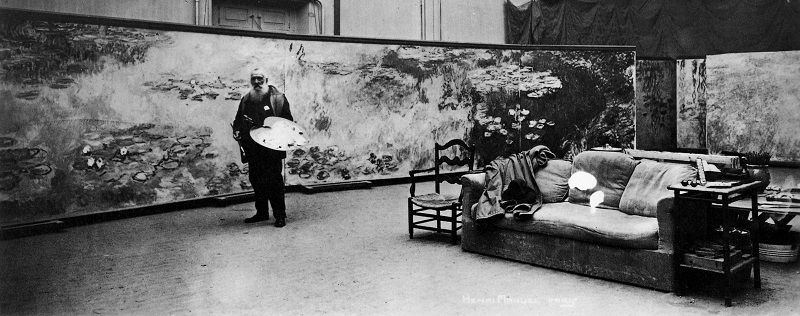
1) Water Lilies is not a name of a single painting, but a name of a series of works. During his lifetime, Claude Monet comes back to this subject matter several times, and painted more than 250 water lilies paintings. Along with Starry Night by Vincent van Gogh, Water Lilies are the most iconic images of Impressionism.
2) The first series of “Water Lilies,” a total of twenty-five canvases, was exhibited at the Galerie Durand-Ruel in 1900. This was followed nine years later by a second series of forty-eight canvases. Monet wrote on August 11, 1908:
These landscapes of water and reflection have become an obsession. This is beyond the strength of an old man, and yet I want to express what I feel. I have destroyed some of the canvases. I begin once again. … I hope something will come of all this effort.”
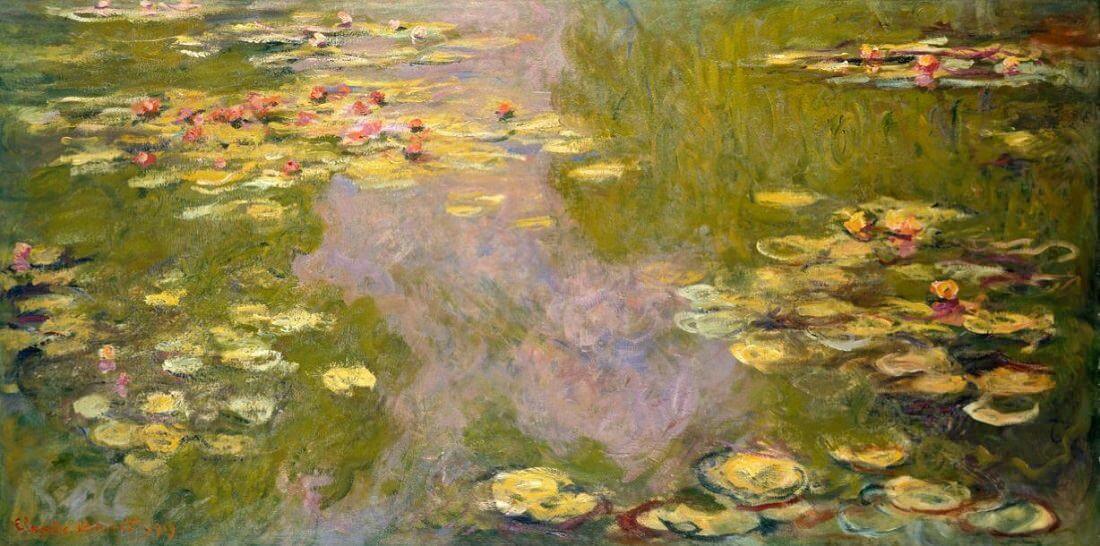
3) In all of the “Water Lilies” paintings, Monet focuses on the surface of the water. He dispenses with any representation of the land or sky, only showing their reflection in the water. These paintings are typical with willows present only as a reflection. The sky, with its white clouds, is reflected in the water, so the blue of the sky and the blue of the water are one. Only the presence of the water lilies helps the observer to understand that this is a reflection.
4) Monet planted the water lilies before he painted them. Monet organized his property at Giverny as though it were a huge painting. Thanks to a small army of gardeners, he diverted a river, planted water lilies, exotic flowers, weeping willows, bamboo trees, and willows. He seeded the pond and added enclosures with white chickens, ducks, and pheasants. Nature, recomposed by the artist, began to resemble his art. “My finest masterpiece,” he later said, “is my garden.”
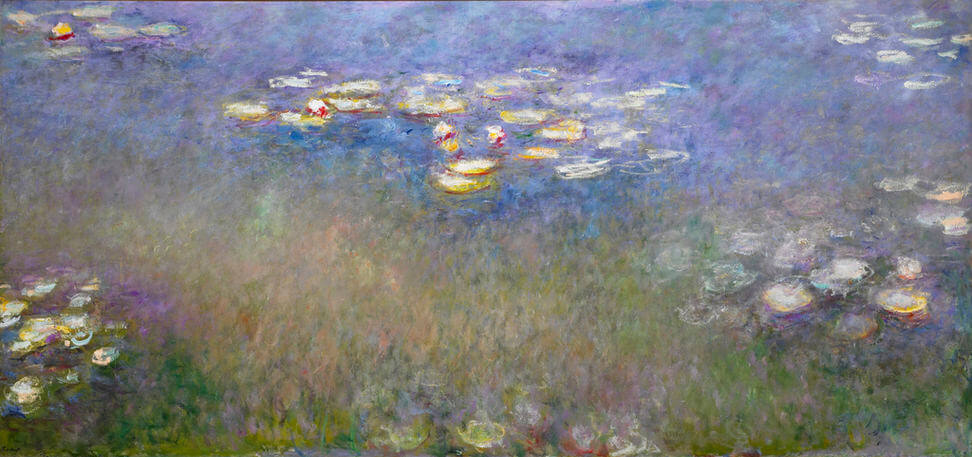
5) When Monet come back to his water lily paintings in 1914 following the death of his beloved wife Alice in 1911. he made some radical changes in his approach, namely in the scale of the canvases. They were monumental in scale, most measuring around two metres (six feet) square. He also changed his palette ond used brilliant spots of color to suggest the flowers. His avant-garde approach and his extraordinary use of point and color began the trail for subsequent art movements: his contemporary Paul Cezanne became affiliated with Post-impressionism; Henri Matisse, who had studied Monet, became of the first of the Expressionist artists.
6) By the time Monet embarked on his last monumental series of water lily paintings, he had gained critical and commercial success. This gave the artist added freedom to explore motifs of his choice and paint to his own schedule. Although he returned again and again to the water lilies, it was a subject that caused him difficulties, and he worried about the paintings, often reworking them. Monet has focused on colour: the clash of green trees as their reflection creeps into the violet-blue depths of the pond’s water. He has used small accents of complementary reds, pinks and yellows in the buds of the lilies that sit atop curiously colourless lily pads using expressive, but smooth brushwork.
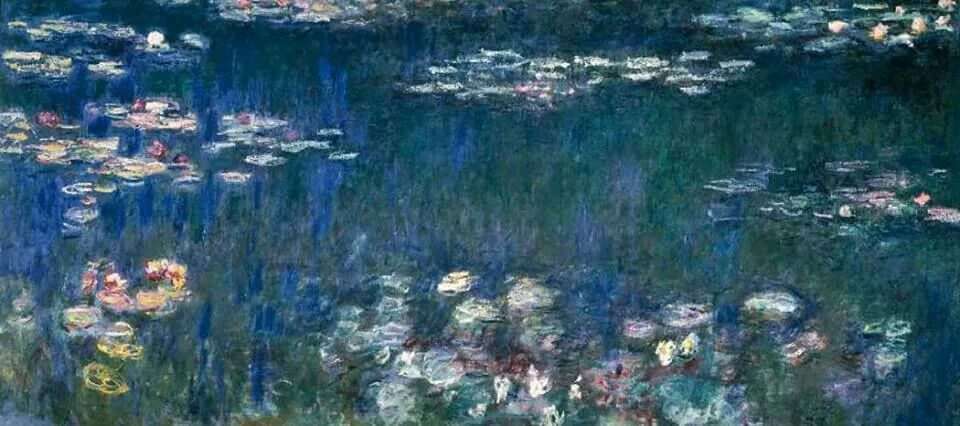
7) Prime Minister Clemenceau had always been a loyal supporter of Monet’s work. In 1914 he urged the artist to work on a larger project, which became a formal state commission in 1916. This was for a set of large canvases depicting water lilies that would be displayed together permanently. Between now and his death this was to be the main preoccupation of Monet’s work.
8) At the age of eighty-two Monet discovered that he had a cataract. The deterioration of his eyesight was horrifying to the artist, who wrote, ‘I realized with terror that I could see nothing with my right eye .. a specialist… told me that I had a cataract and that the other eye was also slightly affected. It’s in vain that they tell me it’s not serious, that after the operation I will see os before, I’m very disturbed and anxious,’ In 1923 he was operated on three times to try and correct his right eye. The brilliant fiery reds and yellows of Water Lilies – Japanese Bridge, 1923 are indicative of the impaired sight of the artist, seeing his bridge within a reduced palette. Yet it is the most evocative sum of color and light and composition, creating on overall startlingly emotive effect.
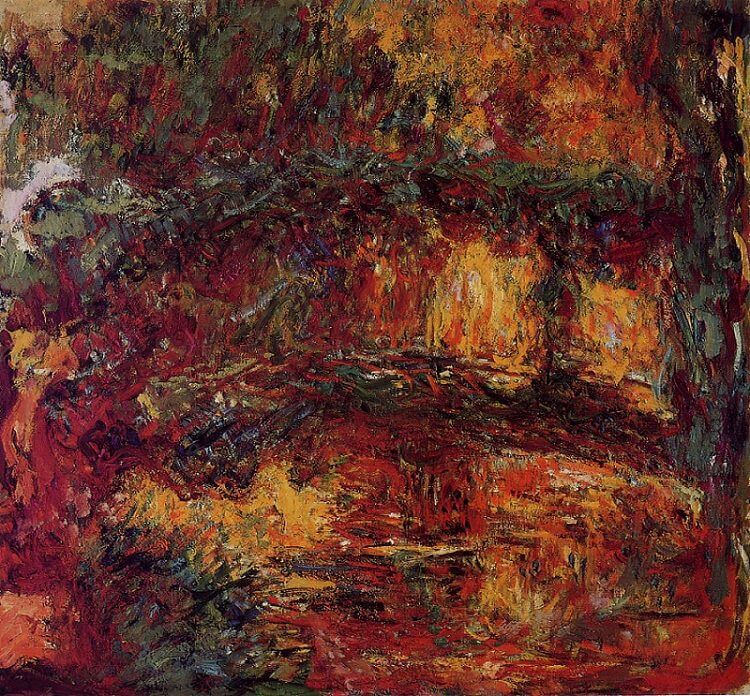
9) Water Lilies opened the path to abstract painting. By the time of Monet’s death in 1926 the art world, both in Paris and in America, was a very different place from the one he had largely struggled against during much of his life, Monet and his circle were the first to truly challenge the conventions of Parisian art in the modern age, and by doing so and progressing their works towards greater understanding of color and light, they opened the door for successive generations of artists. Monet and his contemporaries broke down barriers and persevered in their artistic quest against great hardship in order to achieve a freedom of expression that is now taken for granted. Towards the end of his life, Monet’s work increasingly reflected a form of abstraction through his simplification of composition and reduction of all unessential elements. By doing this ond through his obliquely structured compositions ond focus on pure vivid colour, he set a precedent for later artists, particularly those of the Post-impressionist, Expressionist and Abstract-expressionist movements.
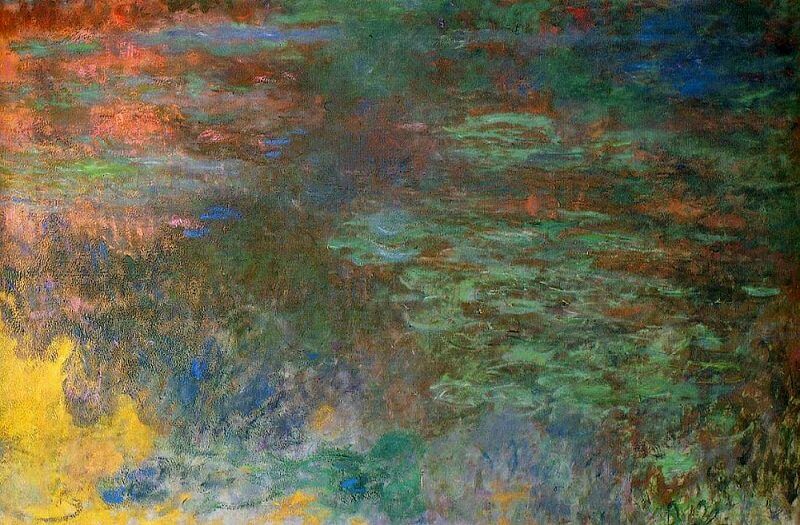
10) Water Lilies Series in the Orangerie, Paris is the last sery that Monet worked on before he died. In 1917 Monet’s friend, the politician Clemenceau, was elected Prime Minister of France (for the second time) and told Monet that the State would purchase 12 of the monumental paintings and house them in a specially designed building. Clemenceau was not re-elected in 1920, but the commission continued and, after extensive communications, it was decided to adapt the Orangerie in the Tuileries to create the space reguired to display Monet’s works. In early 1926 he told Clemenceau he was ‘waiting for the paint to dry’. On 5 December 1926 the artist died. The canvases were taken from his studio and the Orangerie was opened to the public in May 1927.